

Every week, Hypixel Studios pushes new content to its player base across nine different languages (now even more). Not once, but every single week. For most game studios, this would be a logistical nightmare: a cascade of translation delays, quality inconsistencies, and frustrated international players waiting weeks for localized content.
However, Mewen Page, the Lead Gameplay Programmer at Hypixel Studios, has built a localization system that doesn’t just keep pace with weekly releases but actively harnesses community energy to improve translations while maintaining editorial control. In this episode of The Agile Localization Podcast, Mewen joined host Stefan Huyghe to discuss the intersection of game design and localization in the development of Hytale.
Listen to the new episode on:


Designing a game for intuition
At the core of Mewen’s philosophy is a simple principle: avoid text whenever possible. If a player needs written instructions to understand what to do, something in the design likely isn’t working.
Instead, the team focuses on building intuitive mechanics, systems that naturally guide player behavior. Visual cues, such as object highlights, signal interactivity. Icons replace instructions. Subtle environmental feedback nudges players toward the intended action.
The goal is clarity without explanation. This approach improves accessibility and player experience. A well-designed interaction works regardless of language, literacy level, or even certain visual impairments.
Communicating through multiple channels
In game design, important information should be conveyed in at least two ways. That might mean combining visuals with sound effects, or pairing animation with controller vibration. If one signal is missed, another reinforces it.
This multi-channel approach mirrors real-world communication. Think about how traffic signals use color, position, and motion. Games apply the same principle, ensuring players feel what to do, not just read it.
Crucially, the team avoids over-reliance on color alone due to accessibility concerns, like color blindness. Shapes, motion, and spatial cues often carry more universal meaning.
When text becomes necessary
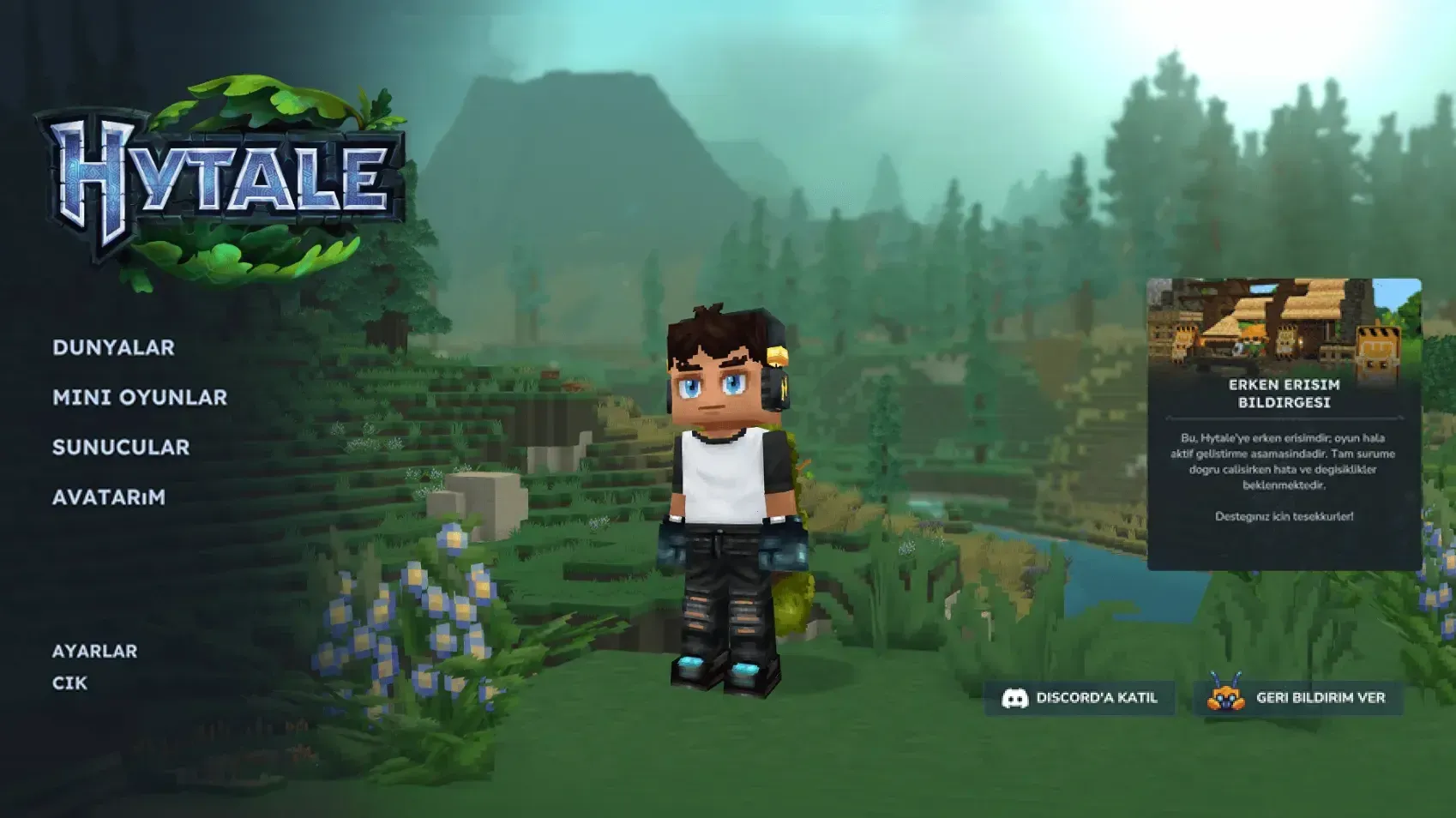
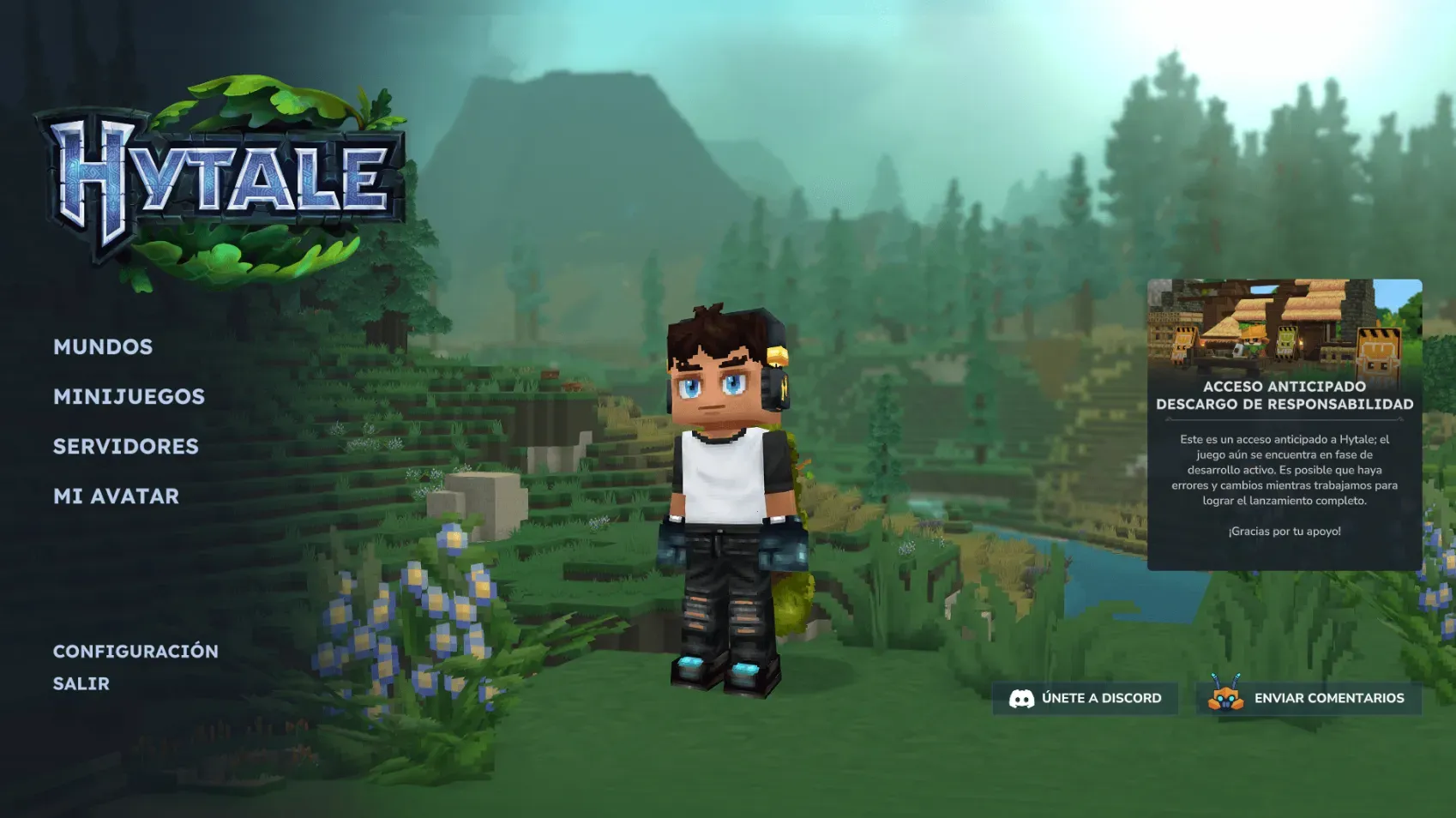
Of course, not everything can be communicated visually. Complex systems, nuanced mechanics, or narrative elements sometimes require text. But by the time text is introduced, it’s a last resort. This shift changes the role of localization entirely. Instead of carrying the burden of explaining gameplay, localization becomes a refinement later, supporting clarity rather than creating it.
Building a collaborative localization ecosystem
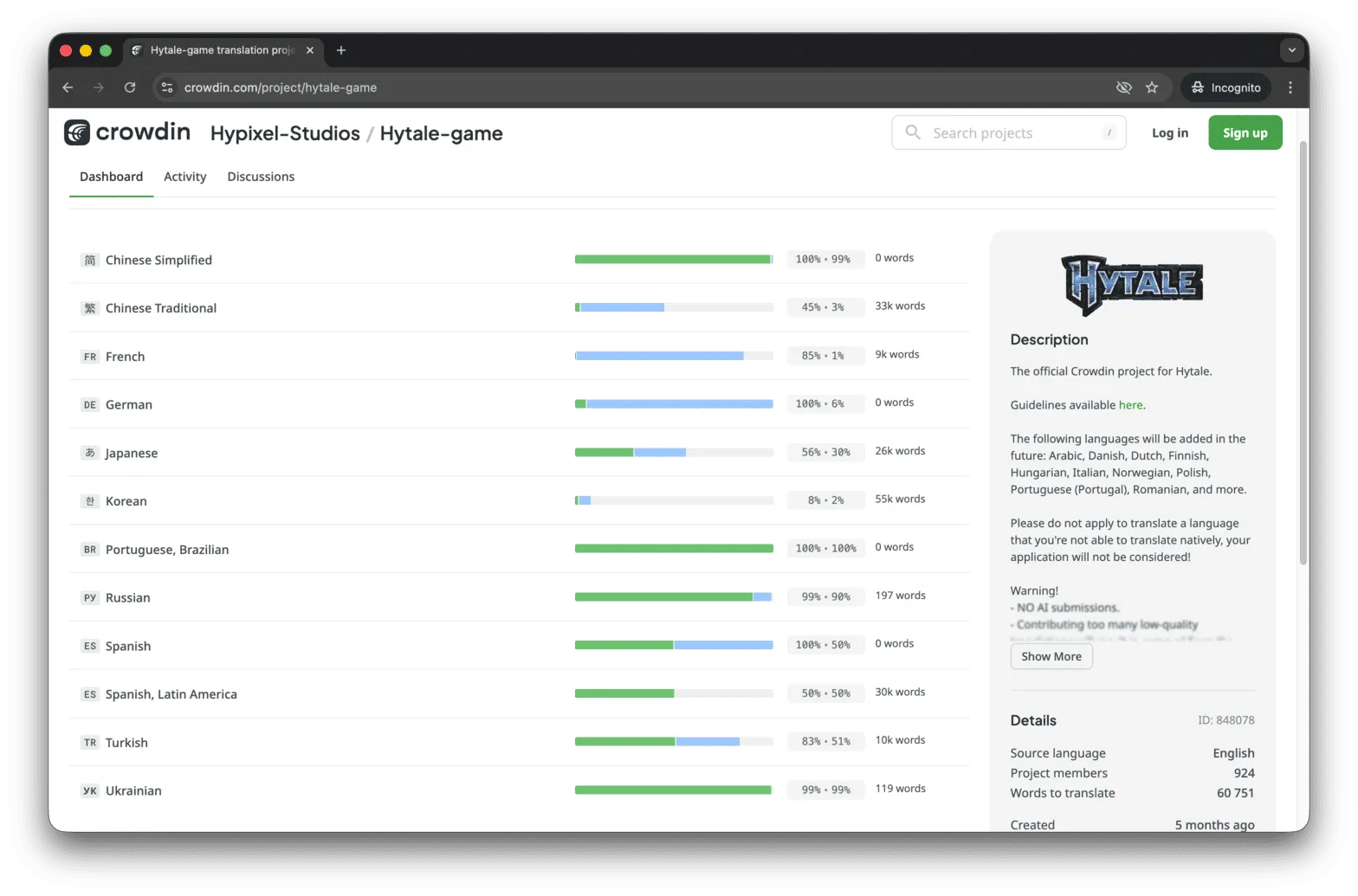
For Hytale, game translation isn’t handled solely by an internal team. Instead, Hypixel leverages a community-driven model powered by volunteer translators and proofreaders. This introduces both opportunity and complexity.
"We’re working thanks to Crowdin. It’s a collaborative project and our proofreaders and translators come from the community. We have to remind ourselves it’s a collaborative project, people are volunteers, and we are all in this together trying to make the best translation for the game.
To keep everything aligned, the team establishes clear guidelines: shared documentation that defines tone, terminology, and translation rules. This ensures consistency while still allowing creative flexibility. And that flexibility matters, especially in a fantasy world.
Mewen highlights how naming conventions can vary intentionally. Some terms must remain unchanged across languages, while others are open to localized creativity. This balance allows translators to craft culturally resonant experiences while preserving core game identity.
The power of community input
One of the standout aspects of this system is how much influence the community has.
Using collaborative tools, translators can suggest alternatives, vote on preferred terms, and refine each other’s work. Over time, the best options naturally rise to the top. This creates a dynamic, evolving localization layer, one shaped by the very players who understand the genre best.
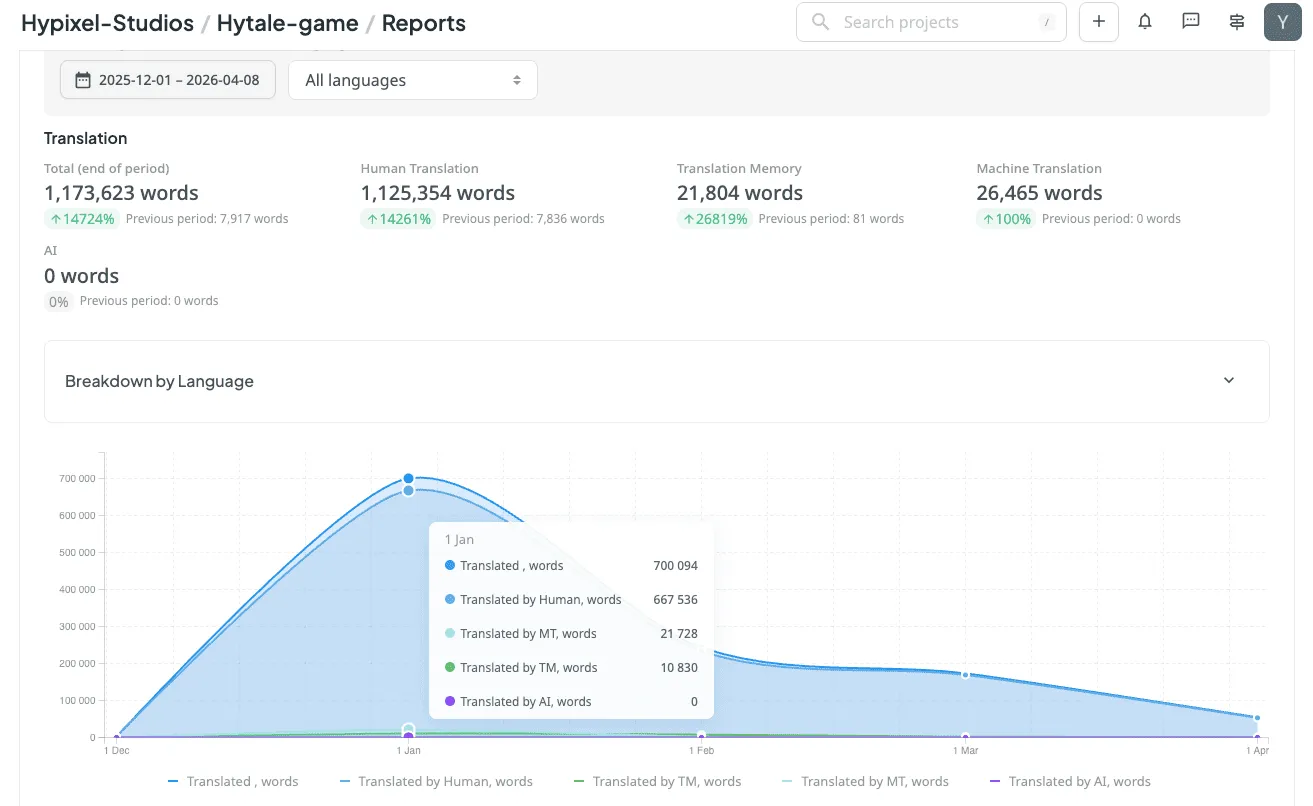
It also ensures consistency with broader gaming culture. Players bring expectations from other games, and community-driven localization helps align terminology with what feels familiar. However, the studio still retains final control. There are moments where decisions must align with future game plans.
"There is a strong influence by the community, and we will listen to it, and then proofreaders and us will still have the final say.
Continuous game localization
To sustain a weekly release cadence, Hypixel Studios relies on a continuous localization workflow integrated directly into their development pipeline. Every Thursday, new game strings are automatically pushed to Crowdin, allowing translators and proofreaders to begin work immediately alongside the latest build. This “always-on” approach enables the team to manage translations for both stable releases and experimental beta branches simultaneously.
By automating the hand-off between developers and the community, the studio eliminates manual bottlenecks, ensuring that even the most “risky” early-access features are localized and ready for the players most eager to test them.
Scaling game localization the smart way
Rather than launching with dozens of languages at once, the team takes a gradual approach. Starting with English as the base, they expand language support over time.
This allows them to:
- Ensure quality for each language.
- Properly support translators and proofreaders.
- Build infrastructure without overwhelming the system.
Currently supporting multiple languages, the focus remains on sustainable growth rather than rapid expansion.
Final thoughts
So, is community-driven game localization the future?
According to Mewen, it depends on the type of game. For live, evolving titles with active communities, it’s a powerful model. For more static experiences, traditional game localization may still be more practical.
However, one thing is clear: the line between game design and localization is blurring. The more intuitive the design, the less translation is needed. And the more players are involved, the more authentic the experiences become.
Mewen’s Background
Mewen Page is the Lead Gameplay Programmer at Hypixel Studios, bringing over a decade of experience in game development and specialized expertise in integrating localization into core gameplay design. With eight years dedicated to Hytale, Mewen has pioneered innovative approaches to making games universally intuitive through design-first communication strategies that minimize text dependency and enhance accessibility. His work bridges the gap between technical gameplay implementation and community-driven localization, demonstrating how continuous live-service games can leverage collaborative translation platforms to maintain quality at scale.
Listen to the new episode on:

Yuliia Makarenko
Yuliia Makarenko is a marketing specialist with over a decade of experience, and she’s all about creating content that readers will love. She’s a pro at using her skills in SEO, research, and data analysis to write useful content. When she’s not diving into content creation, you can find her reading a good thriller, practicing some yoga, or simply enjoying playtime with her little one.